AI Is Reading Your Resume Before a Recruiter Does. But Why?
Learn what they look for, why verification matters, and how to build a professional profile recruiters can trust.

September 15, 2026


You have the right experience. You have the right skills. Your resume looks good.
So why are you still not getting interview calls?
One possible reason is how companies screen applications today.
When companies receive hundreds of applications for one position, recruiters may use applicant tracking systems (ATS) and AI-powered hiring tools to organise and review them. These systems can extract information from resumes, identify relevant skills and experience, and compare candidate information with job requirements.
That does not mean a robot is making every hiring decision. Human recruiters are still involved.
But the first stage of hiring is becoming more automated, especially when application volumes are high.
And that changes what a good resume needs to do.
It needs to be clear, relevant, and truthful.
But there is another question that matters just as much:
Can your professional history be trusted?
What Happens to Your Resume After You Apply?
Your resume does not always go directly to a recruiter.
Depending on the company's hiring process, it may first pass through an ATS or another screening tool. These systems can help organise applications and identify information that appears relevant to a particular role.
For example, if a company is hiring a data analyst, the job description may mention:
- Excel
- SQL
- Data visualisation
- Reporting
- Analytical skills
A screening system may look for relevant information in your resume and help the recruiter identify applications worth reviewing more closely.
But screening is not the same as hiring.
A resume that passes an automated screening stage does not automatically mean the candidate will receive an interview.
A recruiter still needs to assess whether the person's experience, responsibilities, and background make sense for the position.
That means your resume needs to work at two levels:
- Communicate your experience clearly.
- Hold up when a real person reviews your career history.
What AI and Hiring Software Looks For
1. Your Skills and Experience
Hiring systems can extract information such as:
- Job titles
- Companies you have worked for
- Years of experience
- Skills
- Education
- Certifications
- Previous roles
- Relevant responsibilities
This information may then be compared with the requirements of the position.
For example, a data analyst role may require experience with Excel, SQL, and data visualisation.
If your resume clearly mentions those skills and explains how you used them, the information is easier for both screening software and recruiters to understand.
The important point is simple:
Mention the skills you actually use—not every skill you have heard about.
2. How Closely Your Experience Matches the Job
Getting your resume in front of a recruiter is not just about adding as many keywords as possible.
The context around your experience matters.
Compare these two statements:
“Responsible for reports.”
and:
“Created weekly sales reports using Excel and presented performance insights to the management team.”
The second version gives a much clearer picture of the work you actually performed.
It explains:
- What you did
- Which tool you used
- What the work involved
- Who benefited from it
The goal is not to write for a machine.
The goal is to make your experience clear enough for both the screening system and the recruiter reviewing your application.
3. Information That Matches the Job Description
A resume should be relevant to the role you are applying for.
If a job requires project coordination, client communication, or a particular technical skill, your resume should clearly explain any genuine experience you have in those areas.
But relevance does not mean copying the job description.
Adding keywords without the experience to support them can create problems later.
A strong resume does not simply say what you know.
It explains what you have actually done.
Why Getting Past Screening Is Not Enough
Imagine a company receives hundreds of applications for one position.
A recruiter cannot spend the same amount of time reviewing every resume. Screening tools can help organise applications and identify candidates whose skills and experience appear relevant to the job requirements.
But getting through screening does not guarantee an interview.
A recruiter may still ask:
- Does this experience match the role?
- Are the responsibilities clearly explained?
- Does the candidate's background make sense?
- Can the information be verified if needed?
This is where many candidates focus on the wrong thing.
They spend their time trying to make their resume look impressive, but not enough time making sure the information is accurate and consistent.
Getting noticed is only the first step.
Your professional history still needs to stand up to review.
The Bigger Problem Is Trust
AI can help companies process applications faster.
But it does not remove a challenge recruiters have always faced:
Can they trust what a candidate has written?
A resume is based largely on information provided by the candidate. Most professionals are honest about their experience. However, some candidates may exaggerate responsibilities, change job titles, or add skills they have not actually used.
For example, someone might:
- Change their actual job title
- Add skills they have never used
- Claim responsibility for projects they did not handle
- Extend their employment period
- Add experience that never happened
The resume may look impressive.
The real question is whether the information can be verified.
That is why hiring is not only about asking:
“What does the resume say?”
It can also involve asking:
“Can this information be verified?”
Why an ATS-Friendly Resume Is Not Enough
For years, job seekers have heard similar advice:
- Use relevant keywords.
- Keep your resume simple.
- Avoid complicated designs.
- Make your resume ATS-friendly.
That advice still matters.
But it is only one part of the hiring process.
An ATS-friendly resume can help present your experience clearly. It cannot replace your actual professional history.
Once your application reaches a recruiter, they may want to understand more about your background:
- Did you really work where you say you did?
- Were you responsible for the work you mentioned?
- Does your employment history make sense?
- Are your professional details consistent?
This is where professional verification can provide additional context.
A well-written resume helps explain your experience.
Verification can help support the information behind it.
These are not the same thing, and one cannot replace the other.
What Should You Do in 2026?
Do not spend all your time trying to make your resume sound impressive.
Focus on making your professional information clear, relevant, and trustworthy.
1. Get Your Work History Verified
CollarCheck allows professionals to request verification of their work history from current or previous employers.
Verified work history can provide employers with additional information beyond what is written on a resume.
CollarCheck also allows professionals to build a profile that can include employer ratings and reviews.
This gives candidates a way to build a professional record that goes beyond a document they update every time they apply for a job.
2. Keep Your Resume Honest
Suppose your official job title was “Executive,” but you handled responsibilities commonly associated with a managerial role.
Do not simply change your title to “Manager.”
Instead, explain the responsibilities you actually handled.
You can mention team coordination, client management, project responsibilities, or other work you genuinely performed.
Make your experience look strong. Do not make your experience up.
3. Keep Your Information Consistent
Take a look at your resume and other professional profiles.
Do they tell the same basic story?
Check your:
- Job titles
- Company names
- Employment dates
- Skills
- Education
- Certifications
Small differences can happen. But major inconsistencies can create questions when someone reviews your background.
Your professional information should not change depending on where someone finds it.
4. Build Your Professional History Over Time
Your career is bigger than one resume.
CollarCheck's CC ID gives professionals a unique professional identity connected to their verified career information.
Its CC Pro profile can include verified work history, employer ratings, reviews, roles, milestones, and achievements.
Instead of rebuilding your professional story every time you change jobs, you can continue building your career record as you gain experience.
Your professional history does not have to start with your next job.
It can start with the work you have already done.
5. Look at the Employer Too
Verification should not only work in one direction.
Employers want to know whether candidates are genuine. Job seekers also want to learn more about the companies they are considering.
CollarCheck provides company profiles and allows job seekers to explore verified companies and connect with employers directly.
That can make the job search more informed from both sides.
AI Is Changing Hiring. Your Career Still Needs to Be Real.
AI is changing how companies handle large numbers of applications.
It can help recruiters organise information, identify relevant candidates, and reduce some of the manual work involved in early screening.
But it does not change the most important part of hiring:
Your actual experience still matters.
You do not need the fanciest resume.
You do not need to fill your resume with complicated words.
And you definitely do not need to make up experience to look more qualified.
What you need is a career story that is honest, relevant, and easy to understand.
A verified professional profile can add another layer of credibility by providing information about your career history.
Because the future of hiring may not simply belong to the candidate with the most impressive resume.
It may belong to the candidate whose experience can be trusted.
Frequently Asked Questions
Can AI really detect a fake resume?
Not necessarily on its own.
AI and hiring software can analyse and compare candidate information, but employment verification is a separate part of the hiring process. What a company checks depends on its own hiring process and the tools it uses.
The safest approach is simple:
Keep your resume truthful.
Does a verified profile really help?
A verified profile can give recruiters additional information beyond a traditional resume.
With CollarCheck, professionals can build a profile that includes verified work history, employer ratings and reviews, and a unique CC ID.
It does not guarantee an interview or a job offer. But it can help provide more context about your professional background.
What if my previous employer does not give me a good rating?
A rating and employment verification are different things.
A rating reflects employer feedback, while work verification confirms information about your employment.
Even if you receive a rating that you do not agree with, truthful employment information can still be useful as part of your professional profile.
Is it too late to create a verified profile if I have already been working for years?
No.
You can start building your professional profile with your current or previous work experience and continue adding to it as your career grows.
Your professional history does not have to start with your next job.
It can start with the work you have already done.
Build a Career People Can Trust
Your resume tells recruiters what you say you have done.
A verified professional profile can provide additional information about your career history.
CollarCheck helps professionals build a verified professional identity with features such as verified work history, CC ID, employer ratings, and reviews.
Your career is more than a document you send when applying for a job.
Build your verified professional profile and take your career beyond a traditional resume.
Create your CC ID today.
Related Blogs
How to Hire Software Engineers for a Startup in India?
Top Recruitment Platforms for Tech Startups in 2026

Best Job Search Sites in India That Actually Get You Hired in 2026
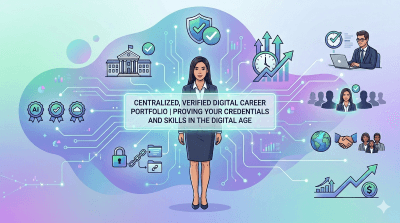
What Is a Verified Career Identity and Why Every Professional Needs One in 2026